






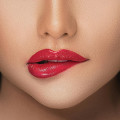








How to Choose Lipstick Based on Skin Undertone

How to Choose Lipstick Based on Skin Undertone
Selecting the right lipstick shade often becomes easier when skin undertones are considered. While personal preference always influences makeup choices, undertones can help explain why certain lipstick colors appear more balanced and flattering on some individuals. Understanding undertones allows shoppers to reduce trial and error when selecting lipstick shades for everyday wear or special occasions.
Skin tone describes the surface color of the skin, such as light, medium, or deep. Undertone refers to the subtle hue beneath the surface that influences how colors interact with the skin. The most commonly recognized undertones are warm, cool, and neutral. These undertones remain relatively stable even when the skin becomes darker from sun exposure.
In Bangladesh, where clothing styles range from traditional sarees to modern fashion, lipstick often plays an important role in completing an overall look. Choosing shades that complement undertones can help create a more natural and balanced appearance without requiring extensive experimentation.
This guide explains how undertones influence lipstick choices and how shoppers can quickly identify shades that suit their complexion. By understanding these principles, consumers can simplify lipstick selection while building a reliable collection of everyday shades.
Skin undertones describe the subtle color beneath the visible surface of the skin. Unlike skin tone, which may change with sun exposure, undertones remain relatively constant. Understanding undertones helps explain why some lipstick shades appear vibrant while others may look dull or mismatched.
Warm undertones contain hints of yellow, golden, or peach tones. People with warm undertones often notice that gold jewelry complements their complexion more naturally than silver jewelry.
Cool undertones typically contain hints of pink, blue, or red beneath the skin. Individuals with cool undertones may find that silver jewelry suits them particularly well.
Neutral undertones fall between warm and cool. People with neutral undertones may find that both gold and silver jewelry look balanced on their skin.
Recognizing undertones does not restrict lipstick choices but provides helpful guidance when selecting shades that naturally complement the complexion.
Warm undertones often pair well with lipstick shades that contain warm pigments. These shades tend to enhance the natural warmth of the complexion and create a harmonious appearance.
Common lipstick shades recommended for warm undertones include coral, terracotta, peach, warm red, and brick red. These colors reflect warm pigments that align with the skin’s natural undertone.
For everyday makeup, peach-toned or warm nude lipsticks can provide a soft and balanced look. These shades work well for office settings, university environments, and casual outings.
For festive events or formal occasions, deeper warm shades such as burnt red or terracotta can complement traditional clothing styles like sarees and festive dresses.
The key advantage of warm-toned lipsticks is their ability to blend smoothly with warm complexions without appearing overly bright or contrasting.
Cool undertones often pair well with lipstick shades that contain blue or pink pigments. These colors help balance the natural coolness of the skin and create a more cohesive appearance.
Common lipstick shades suited for cool undertones include berry shades, plum tones, rose pinks, and blue-based red lipsticks. These shades often appear vibrant without clashing with the complexion.
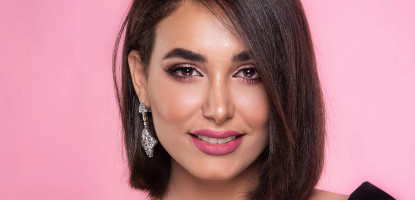
Soft rose or mauve lipsticks are often used for everyday wear because they provide natural color while maintaining subtle elegance. These shades work well in professional or academic settings.
For formal occasions or evening events, deeper berry or plum shades can create a striking appearance. These colors are commonly paired with festive outfits and evening makeup looks.
By choosing shades that align with cool undertones, makeup users often achieve more balanced color harmony.
Neutral undertones offer the greatest flexibility when selecting lipstick shades. Because the skin contains both warm and cool elements, a wide range of colors can appear balanced.
Many individuals with neutral undertones find that classic reds, pinks, and natural nudes work equally well. This flexibility allows them to experiment with different lipstick styles depending on clothing and occasion.
Soft pink shades and balanced nude lipsticks are commonly used for everyday makeup routines. These shades provide subtle color while maintaining a natural appearance.
For festive events or evening makeup, deeper reds, burgundy tones, and rich berry shades can create bold yet balanced looks.
Because neutral undertones allow for broader color compatibility, many makeup users enjoy experimenting with seasonal lipstick trends without worrying about undertone conflicts.
While undertones provide useful guidance, lipstick choices are also influenced by clothing, environment, and personal style. In Bangladesh, traditional outfits such as sarees, salwar kameez, and festive attire often inspire lipstick color choices.
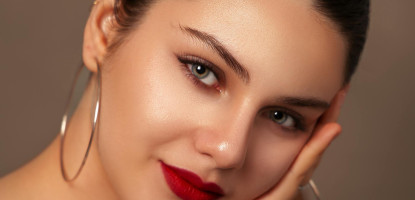
Red lipstick remains one of the most widely used shades during weddings and cultural celebrations. Variations of red can complement different undertones while matching traditional clothing colors.
For everyday environments such as offices, universities, or casual social gatherings, softer lipstick shades are often preferred. Nude tones, soft pinks, and light peach shades provide color while maintaining subtlety.
Fashion trends and seasonal changes may also influence lipstick preferences. During festive seasons, bold shades often become more popular, while minimal makeup styles may dominate everyday routines.
Understanding how undertones interact with clothing and occasion helps makeup users make more confident decisions.
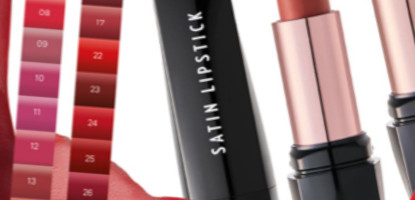
When purchasing lipstick, several practical steps can help ensure a better match. Viewing shade swatches under natural lighting can provide a clearer representation of how the color will appear on the lips.
Reading product descriptions can also provide useful details about the lipstick finish, coverage, and wear duration. Some formulas prioritize long-lasting color, while others focus on comfort and hydration.
Consumers purchasing lipstick online should also consider retailer reliability. Authentic cosmetic products typically include clear packaging information, ingredient lists, and manufacturer details.
Maintaining a small collection of versatile shades can simplify daily makeup routines. Many individuals keep a neutral everyday shade, a soft natural tone, and a bold lipstick for special occasions.
By focusing on practicality rather than excessive product experimentation, consumers can build a reliable lipstick collection suited to their lifestyle.
Understanding skin undertones can make lipstick selection much easier. While personal preference remains important, undertones provide useful guidance when identifying shades that naturally complement the complexion.
Warm undertones often pair well with coral and terracotta shades, cool undertones with berry and rose tones, and neutral undertones with a wide variety of colors. By using undertones as a reference point, shoppers can reduce trial and error when selecting new lipsticks.
Ultimately, lipstick is both a practical cosmetic product and a form of personal expression. By combining undertone knowledge with lifestyle considerations and fashion choices, consumers can confidently choose lipstick shades suited to everyday wear and special occasions.
How can someone identify their skin undertone?
Many people examine how gold and silver jewelry look on their skin or observe the color of veins on the wrist to estimate undertones.
Can someone wear lipstick shades outside their undertone category?
Yes. Undertone guidance helps narrow choices, but personal preference and styling can still influence lipstick selection.
Do lipstick shades look the same on everyone?
No. Natural lip pigmentation, lighting conditions, and skin tone differences can influence how lipstick appears.
Is it necessary to own many lipstick shades?
Most individuals find that a few versatile shades are sufficient for everyday use and special occasions.
© Flair Hill. All rights reserved. This article is original content created for the Flair Hill blog and is protected under applicable copyright laws. Unauthorized reproduction or redistribution without written permission from Flair Hill is prohibited.
This article is intended for informational purposes only. Cosmetic products may affect individuals differently depending on skin type and sensitivity. Readers should review ingredient lists and consult qualified professionals if they have specific skin concerns.







Leave a Comment