













A Practical Guide to Everyday Lipstick Use
Lipstick is one of the most commonly used cosmetic products worldwide. Unlike occasion-focused makeup, everyday lipstick must balance appearance, comfort, safety, and practicality. A shade or formula that looks appealing may still be unsuitable for daily use if it causes dryness, frequent reapplication, or discomfort during long hours.
This guide explains everyday lipstick use from a functional perspective. It focuses on formula behavior, comfort, shade selection, lip health, and realistic expectations rather than trends or marketing language. Lipstick categories referenced are available through Flair Hill Lipstick Collection.
Everyday lipstick differs from festive or editorial lipstick in one key way: it must remain wearable for extended periods without causing irritation or requiring constant correction.
Practical daily lipsticks typically have moderate pigmentation, flexible texture, and balanced moisture content. Extremely matte or highly glossy formulas may look appealing but often compromise comfort.
An everyday lipstick should allow speaking, eating, and normal movement without cracking or excessive transfer.
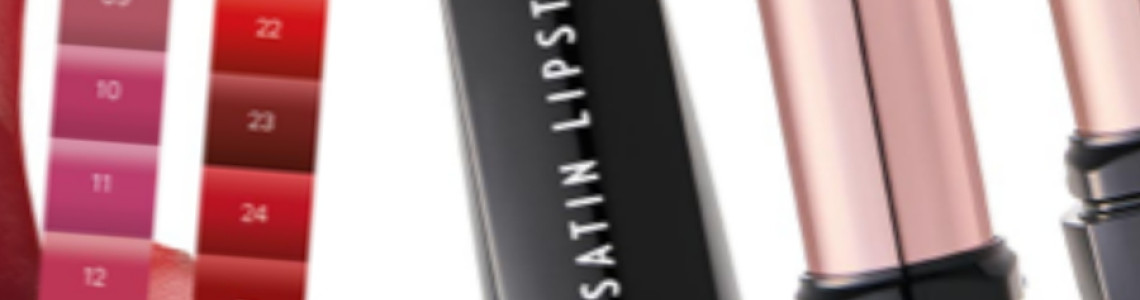
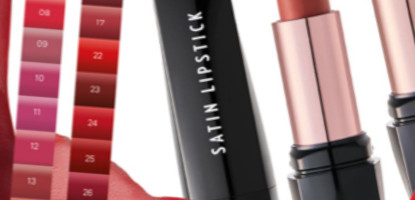
Lipsticks are broadly categorized by finish and formulation. Common types include matte, creamy, satin, sheer, and liquid formulas. Each behaves differently on the lips.
Matte lipsticks provide stronger color payoff but may increase dryness when worn daily. Creamy and satin lipsticks offer better flexibility and are generally more suitable for long-term wear.
Liquid lipsticks often prioritize longevity over comfort. For everyday use, lightweight bullet lipsticks or soft-matte formulas are usually more practical.
Occasion lipsticks focus on visual impact, photography, and short-duration wear. Daily lipsticks must accommodate hydration, eating habits, and environmental exposure.
Choosing an occasion lipstick for daily use often results in dryness, uneven fading, or discomfort. Separating daily and special-use products improves lip health.
Everyday lipstick shades should complement natural lip color and skin tone without appearing overly dramatic. Neutral pinks, muted browns, soft mauves, and rose tones are commonly preferred.
Extremely dark or neon shades may require precise application and frequent maintenance, making them less practical for daily routines.
In professional or academic environments, lipstick should appear neat and controlled throughout the day. Transfer-heavy or high-shine formulas may require frequent touch-ups.
Soft matte or satin finishes with moderate pigmentation maintain appearance without distraction.
Lip preparation significantly affects comfort and appearance. Dry or cracked lips reduce lipstick performance regardless of price.
Gentle exfoliation once or twice a week and daily lip balm use improve texture and reduce flaking. Excessive exfoliation should be avoided.
Frequent lipstick use can contribute to dryness if formulas lack adequate emollients. This does not mean lipstick is harmful, but formulation matters.
Using nourishing lip products alongside lipstick helps maintain barrier function.
Longer-lasting lipsticks often rely on film-forming agents that reduce moisture exchange. While effective for events, they may cause discomfort when worn daily.
Everyday use benefits from moderate wear time with easy reapplication.
Applying lipstick lightly and building color gradually improves comfort and reduces uneven wear.
Blotting once after application removes excess product and increases wear stability without drying the lips.
Over-layering, skipping lip care, and using unsuitable formulas are common daily lipstick mistakes.
Reapplying lipstick repeatedly without removing buildup can lead to uneven texture.
Younger users often prefer lighter textures and tinted finishes. Mature users may prioritize hydration and smooth application.
Everyday lipstick selection adapts naturally with age due to changes in lip texture and hydration.
Price does not determine suitability. Affordable lipsticks can perform well if formulation and shade selection are appropriate.
Ingredient balance and comfort should guide purchase decisions, not packaging or brand positioning.
Can lipstick be worn every day?
Yes, provided the formula is comfortable and lips are properly cared for.
Is matte lipstick bad for daily use?
Not inherently, but frequent use may increase dryness if hydration is lacking.
How often should lipstick be reapplied?
Reapplication depends on eating habits and formula, typically every few hours.
This article is for informational purposes only. Individual reactions to cosmetic products vary. Readers should discontinue use if irritation occurs.
© Flair Hill. All rights reserved. This content may not be copied, reproduced, or redistributed without prior written permission.











Leave a Comment