














Saree Styling for Comfort and Movement: Why Fabric Matters More Than Design
Saree selection is often driven by color, motifs, or surface design. However, long-term comfort, freedom of movement, and suitability for different occasions depend far more on fabric characteristics than visual appeal alone.
This article combines practical styling guidance, occasion-based selection logic, and fabric-focused analysis to help wearers make informed saree choices. Examples and categories referenced are available through the Flair Hill Saree Collection.
Comfort in a saree depends on how the fabric interacts with body movement. Lightweight, breathable fabrics allow easier walking, sitting, and extended wear. Heavier or stiff fabrics restrict motion and require more frequent adjustment.
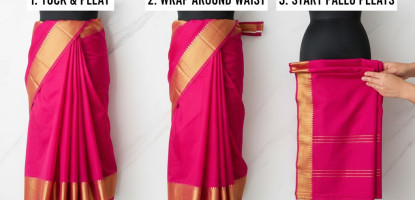
Proper styling also matters. Secure pleats, balanced pallu length, and correct petticoat tension reduce strain on the waist and shoulders. These principles apply across generations and body types.
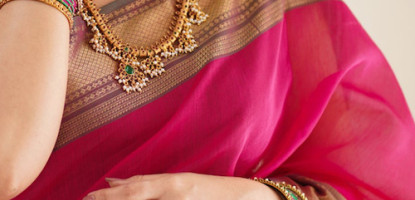
Design elements such as prints, embroidery, or borders affect appearance but do not significantly influence wearability. Fabric properties determine breathability, weight, drape, and friction.
For example, a simple cotton saree may provide better all-day comfort than a heavily designed synthetic saree. Similarly, a minimally designed silk saree may still feel heavy due to fabric density.
Understanding fabric behavior prevents discomfort and reduces the risk of improper draping or frequent adjustment.
Occasion-based saree selection should consider duration, environment, and physical activity involved.
Daily or Office Wear: Cotton, cotton blends, or lightweight georgette support long hours and repeated movement.
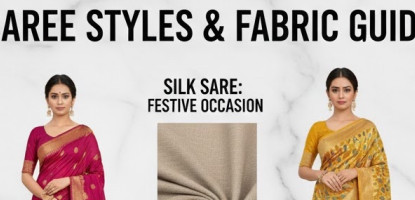
Festive or Social Events: Silk, chiffon, or embellished georgette prioritize appearance, with moderate compromise on mobility.
Extended Ceremonies: Fabric weight and breathability become critical to avoid fatigue.
Fabrics with texture, such as cotton or georgette, hold pleats more securely. Smooth fabrics like chiffon require pinning for stability.
Stable pleats reduce the need for constant correction and support confident movement in public settings.
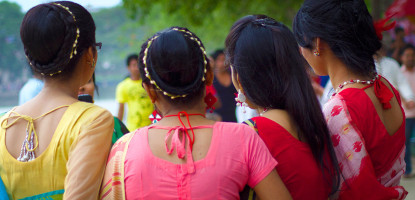
Older generations often prioritize structure, durability, and familiarity. Younger generations tend to value lightness, flexibility, and ease of maintenance.
These preferences are shaped by lifestyle demands rather than fashion trends. Saree styling continues to evolve to accommodate changing daily routines.
Related insights are discussed in How Saree Styles Adapt Across Generations .
Selecting a saree solely based on appearance often leads to discomfort. Heavy borders, stiff weaves, or synthetic linings can restrict movement.
Beginners should prioritize fabric testing and trial draping before investing in heavily designed sarees.
Is fabric more important than design in a saree?
Yes. Fabric determines comfort, durability, and usability,
while design mainly affects visual appeal.
Which saree fabric is best for long hours?
Cotton, cotton blends, and lightweight georgette are suitable for extended wear.
Can festive sarees be comfortable?
Comfort depends on fabric weight and draping technique,
not solely on occasion type.
This content is provided for informational purposes only. Fabric performance and comfort vary based on weave, quality, and personal preference. Readers are advised to evaluate individual requirements before purchase or use.
© Flair Hill. All rights reserved. This article may not be copied, reproduced, or redistributed without prior written permission from Flair Hill.









Leave a Comment