
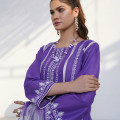


















How Saree Styles Adapt Across Generations
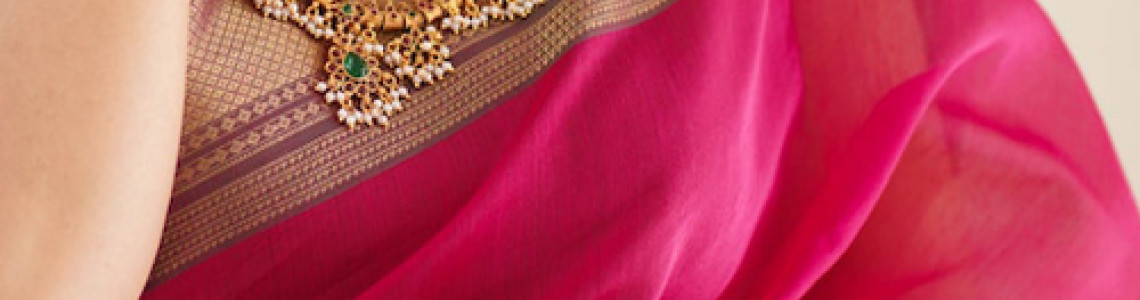
How Saree Styles Adapt Across Generations
Sarees have remained relevant for centuries not because they resist change, but because they adapt to it. Across generations, saree styles evolve in fabric choice, draping preference, color selection, and styling intent. What remains constant is the saree’s functional versatility and cultural continuity. Younger generations often prioritize comfort, mobility, and simplified aesthetics, while older generations may value tradition, craftsmanship, and familiarity. Neither approach is superior; they reflect different lifestyle needs and social contexts.
Understanding how saree styles adapt across generations helps buyers make informed choices instead of following trends blindly. This article examines saree evolution from a practical, non-romanticized perspective—focusing on fabric logic, wearability, lifestyle alignment, and long-term use. The goal is not to promote a single style, but to explain why styles change and how those changes serve real people at different stages of life.
Sarees have historically adapted to climate, occupation, and social norms. Earlier generations often wore heavier fabrics and longer drapes because daily routines involved slower-paced movement and fewer time constraints. Over time, urbanization, education, and work participation influenced how sarees were worn.
Modern adaptations are not a break from tradition but a functional response. Lighter fabrics, stitched blouses, and simplified pleats reduce physical strain and time investment. These changes reflect practicality rather than a loss of cultural value.
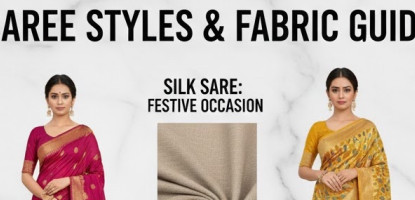
Fabric choice is one of the clearest indicators of generational adaptation. Older wearers often prefer cotton, silk, or traditional blends because of familiarity and durability. These fabrics offer structure and longevity but may require more maintenance.
Younger wearers frequently choose georgette, chiffon, or lightweight synthetic blends due to ease of movement and lower upkeep. These fabrics suit fast-paced routines but may not last as long. The difference reflects lifestyle priorities rather than aesthetic judgment.
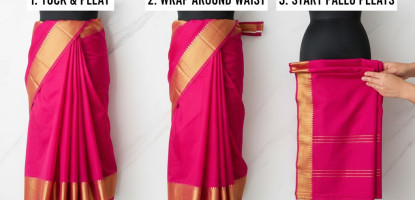
Traditional draping styles often involve multiple pleats and longer pallus, which provide coverage and stability. While effective, they can restrict movement during long wear.
Contemporary draping focuses on balance—maintaining visual structure while improving comfort. Pre-stitched sarees, shorter pallus, and secure pleating techniques are practical adaptations. These styles appeal particularly to younger generations who value mobility.
Older generations tend to favor deep, solid colors or traditional motifs due to cultural associations and long-term wearability. These colors age well and are less sensitive to trend cycles.
Younger generations often experiment with muted palettes, minimal prints, or unconventional color combinations. These choices align with modern fashion influences but may be trend-sensitive. Both approaches reflect valid aesthetic logic.
Blouse design has changed significantly across generations. Earlier designs focused on coverage and durability, often using thick fabrics and standard cuts.
Modern blouses prioritize fit, stretch, and versatility. Adjustable closures, breathable materials, and varied sleeve lengths improve comfort. These changes are driven by ergonomic needs rather than fashion alone.
For older generations, sarees were daily wear across most settings. Today, sarees are often reserved for specific contexts such as work, social gatherings, or festivals.
Younger wearers may select sarees designed for shorter durations or specific events. This selective use explains the rise of lighter fabrics and simplified styling.
Physical comfort becomes increasingly important with age, but younger wearers also prioritize it due to active lifestyles. Fabric weight, pleat placement, and blouse fit directly affect wearability.
Adaptations such as elastic waistbands, softer fabrics, and reduced layering improve comfort without compromising the saree’s identity.
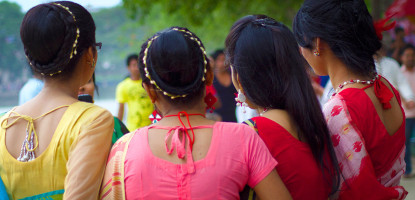
Saree styles are not confined to age groups. Younger wearers often adopt traditional elements for cultural events, while older wearers may incorporate modern fabrics for convenience.
This exchange demonstrates that saree adaptation is fluid, not linear. Styles evolve through shared experience rather than replacement.
When purchasing sarees, considering long-term usability reduces waste and dissatisfaction. Neutral colors, adaptable fabrics, and classic designs age better across life stages.
Avoiding trend-heavy designs helps ensure the saree remains wearable across different phases of life.
A common misconception is that modern saree styles lack cultural value. In reality, adaptation has always been part of saree history.
Another misconception is that traditional styles are impractical. With appropriate fabric and draping adjustments, they remain highly functional.
Do saree styles change because of fashion trends?
Partly, but most changes are driven by lifestyle, climate, and comfort needs.
Can one saree suit multiple age groups?
Yes. Neutral fabrics and classic designs adapt well across generations.
Are lightweight sarees less durable?
Generally, lighter fabrics may wear faster, but proper care extends their lifespan.
Is traditional draping still practical today?
Yes, especially for longer wear, though it may require adjustment.
Saree styles adapt across generations not through replacement, but refinement. Each generation modifies fabric, drape, and design to suit its daily realities. Understanding these changes allows wearers to choose sarees based on comfort, longevity, and context rather than age-based assumptions.
A saree’s relevance lies in its adaptability. When chosen thoughtfully, it remains suitable across life stages, cultural settings, and evolving personal needs.









Leave a Comment