



















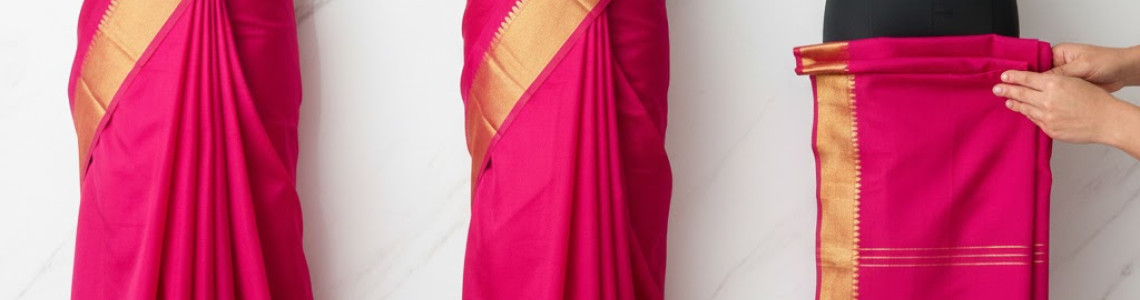
Saree Draping Basics for Beginners
Saree draping is a foundational skill in South Asian fashion, especially in Bangladesh and India. For beginners, the saree may appear complex, but in reality, it follows a logical and repeatable structure. This guide explains saree draping basics in a clear, step-by-step way, suitable for Gen Z, working adults, and older generations alike.
At Flair Hill, we focus on making traditional fashion approachable. This article covers fabric selection, pleats, pallu handling, and generational styling differences without exaggeration or unverified claims.
A saree is typically a single piece of fabric ranging from 5.5 to 6.5 meters. It consists of three functional parts: the body, pleats, and pallu.
Beginners should start by identifying the plain end (used for pleats) and the decorative end (pallu). Most sarees sold online, including those in the Saree Collection, follow this standard layout.
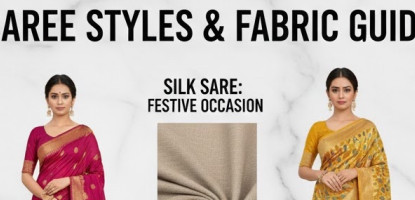
Fabric choice directly affects draping ease. Cotton, cotton silk, and lightweight georgette are easier to manage for first-time wearers.
Slippery fabrics like pure silk or satin require experience and secure pinning. Beginners are advised to avoid heavy zari or stiff borders initially.
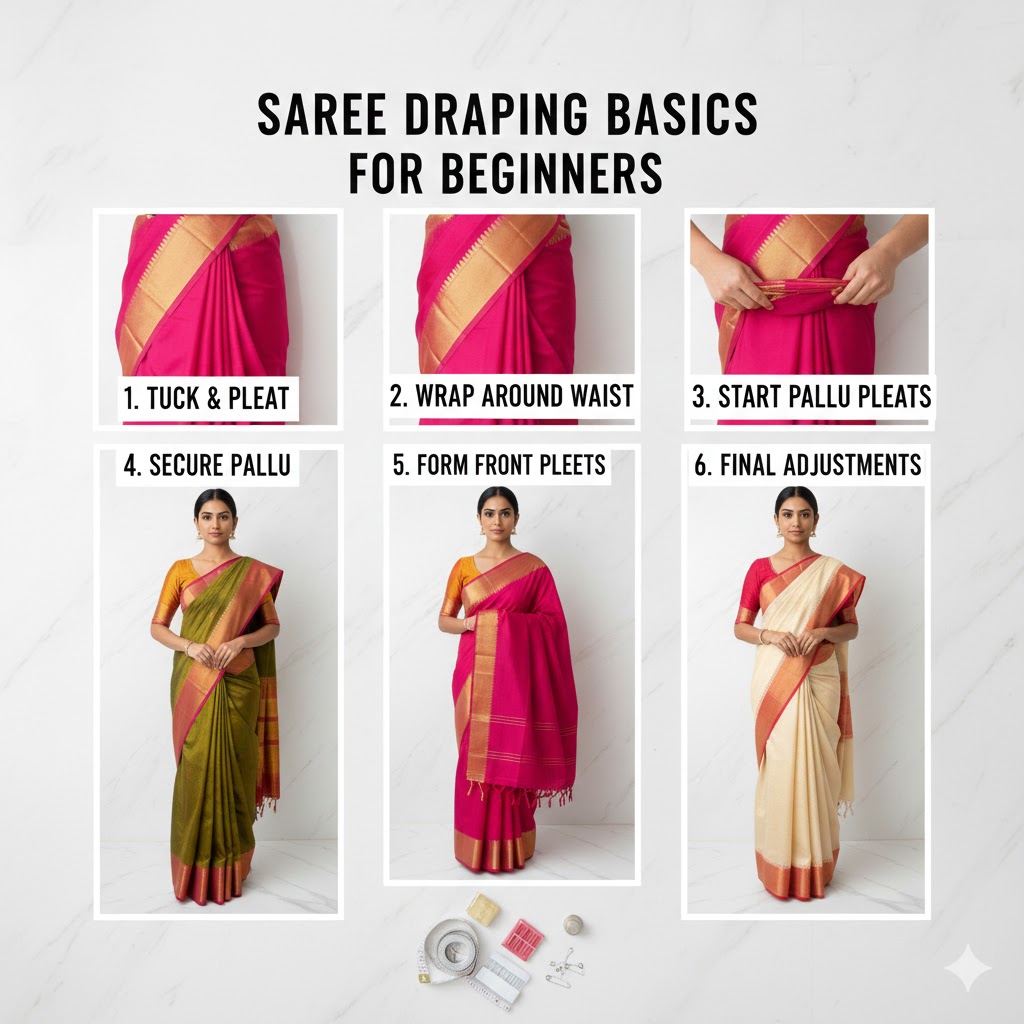
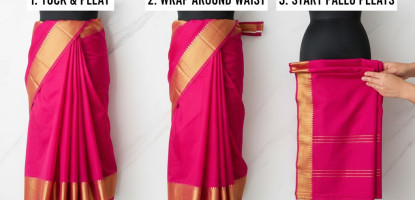
Start by tucking one end of the saree into the petticoat at the right waist. Wrap once around the body, keeping the lower edge even with the floor.
Create 5–7 pleats of equal width, ensuring they face left. Tuck them neatly at the center waist. This method is consistent across most traditional draping styles.
The simplest pallu style is the open pallu, draped over the left shoulder. It allows easy adjustment and balance.
Younger wearers often prefer shorter pallus, while older generations may choose longer or pleated pallus for coverage and comfort. These differences reflect lifestyle needs, not fashion rules.
Gen Z tends to prioritize comfort, lighter fabrics, and minimal pleats. Older generations value structure, secure draping, and traditional alignment.
Neither approach is superior. Saree draping has always evolved based on daily activities, climate, and social context.
Uneven pleats, incorrect petticoat tying, and floor-dragging hems are the most common beginner errors.
Using safety pins discreetly is practical and does not reduce authenticity. Professional stylists routinely use pins for stability.
A fitted blouse and correctly tied petticoat are essential. Loose petticoats cause pleats to collapse.
Beginners should avoid elastic petticoats until they gain experience, as drawstring versions offer better control.
Daily wear sarees prioritize mobility and durability. Occasion wear focuses on aesthetics and structured drapes.
For events, sarees with pre-finished pallus or lighter embellishments reduce draping complexity without compromising appearance.
Comfort and Mobility Considerations
Comfort is more important than appearance when learning saree draping. A well-draped saree should allow you to walk, sit, and move without constant adjustment.
If comfort remains an issue, experimenting with lighter fabrics or simpler drapes is advisable. Articles such as How Saree Styles Adapt Across Generations explain why comfort-driven adaptations are common across age groups.
Always unfold pleats after use to prevent permanent creases. Cotton sarees benefit from light starching, while silk should be dry-cleaned.
Storage practices significantly impact saree longevity, regardless of price or brand.
Saree draping is not just tradition; it is a functional clothing skill. It promotes fabric sustainability and long-term wardrobe use.
Understanding the basics allows wearers to adapt styles confidently without relying on temporary fashion trends.














Leave a Comment